Buying land near Amsterdam, MT can feel full of possibility, but it also comes with more moving parts than many buyers expect. You may be picturing mountain views, room to build, or a long-term investment, yet the real value of a parcel often depends on details that are easy to miss at first glance. If you understand access, utilities, land-use rules, and county records before you buy, you can make a much more confident decision. Let’s dive in.
Start With Access and Roads
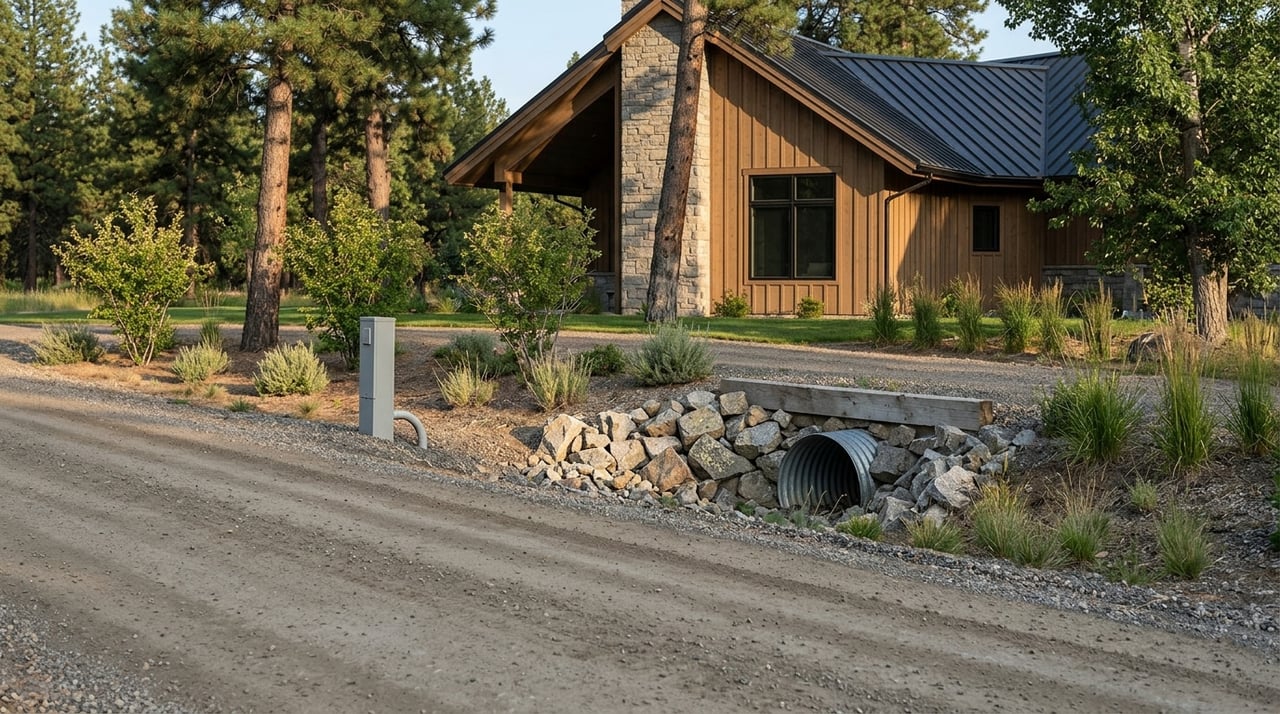
One of the first questions to ask is simple: how do you legally and practically reach the property? In Gallatin County, that means more than confirming a road exists on a map. The county Road Department states that it does not maintain subdivision roads, private roads, city roads, or state highways, so you need to find out who is responsible for upkeep before you move forward.
That matters because road maintenance affects your day-to-day use of the land and your future costs. A parcel may look easy to access in dry weather, but conditions can change with snow, mud, or seasonal wear. If the road is private or part of a subdivision system, you will want to understand maintenance agreements, road condition, and whether access is reliable year-round.
If you plan to build a driveway or create new access onto a county-maintained road, Gallatin County requires a Road Access Permit. The county also manages physical addresses and may require a new road name for 911 safety. It also requires road-identifying signage on named roads, whether public or private.
Seasonal Road Limits Matter
Road use can also change by season. Gallatin County posts winter work restrictions, seasonal closures, and 16-ton weight limits on some roads. If you plan to bring in building materials, heavy equipment, or large deliveries soon after closing, those limits are worth checking early.
This is especially important if you are buying land with immediate building plans. A parcel that works well in summer may involve added timing issues during winter or spring road restrictions. Knowing that ahead of time can help you budget and schedule more realistically.
Confirm Water and Wastewater Plans
Water and septic are two of the most important due diligence items for rural land near Amsterdam. Before you buy, confirm whether the property is served by public water, a community system, a cistern, or an individual well. Montana DEQ’s subdivision review process documents potable water sources and wastewater disposal methods for applicable land divisions, which can help you understand how a parcel was originally reviewed.
For many buyers, septic feasibility is just as important as water supply. Gallatin County health officials state that a local wastewater treatment system permit is always required before a septic system is installed. Site evaluations must be completed by a registered site evaluator or Montana professional engineer, and a registered installer must be on-site during installation.
The county also maintains wastewater records and an environmental health map with permit and groundwater-related data. Reviewing those records can help you see whether a parcel has existing wastewater history or whether additional investigation may be needed. That is a valuable step if you are trying to avoid surprises after closing.
Understand Montana Well Rules
If your water plan depends on a well, you should look closely at current state requirements. DNRC states that all new uses of water in Montana require a water right. For development using a permit exception, DNRC says a Notice of Intent must be filed before using water from an exempt well.
DNRC describes an exempt well as one using 10 acre-feet or less per year at 35 gallons per minute or less. Since these rules changed on January 1, 2026, buyers should make sure their intended use lines up with current requirements. If your plans involve a homesite, guest structures, livestock use, or other water demands, early review is wise.
Review Zoning Before You Build
A beautiful parcel is not automatically a build-ready parcel. In Gallatin County, Land Use Permits are required in all zoning districts, and county instructions say approval is required before construction of most structures in county zoning districts. That makes zoning one of the most important pieces of your land search.
Gallatin County has 22 zoning districts, and each can have different standards. Before you make an offer, verify setbacks, building height rules, density, floor-area limits, accessory structure standards, permitted uses, and conditional uses. These details can shape whether a parcel fits your goals now and later.
Outside Belgrade and Bozeman, Gallatin County says it does not issue building permits. That makes land-use review even more important when you are evaluating a parcel near Amsterdam. If you are planning a home, shop, barn, or other improvements, you want clarity on county land-use requirements from the start.
Check Recorded Covenants Too
Zoning is only part of the story. Recorded covenants can place additional restrictions or responsibilities on a property, and they deserve the same level of review. Gallatin County states that property covenants are available through the Clerk and Recorder’s Office, and county-required covenants may be recorded with a final plat as conditions of subdivision approval.
Those covenants run with the land and may address items such as weed control and other public health or safety issues. If the parcel was created through a subdivision or certificate of survey, ask for the final plat, the certificate of subdivision approval, and any recorded conditions of approval. Those records can help you understand how the parcel may be used on the ground, not just how it appears in a listing.
Check Floodplain and Site Constraints Early
Flood risk is another item to review before you get too far into the buying process. Gallatin County states that its floodplain boundaries are based on the FEMA Flood Insurance Study and Flood Insurance Rate Maps effective April 21, 2021. The county notes these maps are used for informational and insurance purposes to help assess relative risk to major flood events.
Even if a parcel looks dry during a showing, mapped floodplain areas can affect future plans. Building placement, financing considerations, insurance questions, and site design can all be influenced by floodplain conditions. Gallatin County offers a map information service and a floodplain information request form, which can help buyers gather more detail.
This step is worth doing early because floodplain review can affect how flexible a property really is. If your ideal building site overlaps with a mapped flood area, that may change how you think about the parcel’s long-term use and value.
Don’t Overlook Weed Management
On acreage, noxious weeds are not a minor issue. Gallatin County’s weed district offers property inspections, weed-management plans, and a landowner roadside maintenance program for owners who want to manage noxious weeds along county road right-of-way next to their property. That tells you weed management is an active ownership responsibility, not just a seasonal chore.
County development requirements and county-required covenants may also address weed management. In practical terms, that means weed control can be both a maintenance issue and a recorded obligation tied to the land. If you are buying a larger parcel, this is something to factor into your time and budget.
Focus on Buildability and Long-Term Fit
When you buy land near Amsterdam, the strongest parcels are usually the ones where your intended use lines up cleanly with the property’s real-world conditions. Access, zoning, water, wastewater feasibility, floodplain status, and recorded restrictions all work together. If one piece is unresolved, your flexibility later may be reduced.
That does not mean every issue is a deal breaker. It does mean you should evaluate land with a practical lens, especially if you are comparing multiple parcels. A scenic property may still require extra county review or added infrastructure steps before it becomes a good fit for your goals.
A Simple Due Diligence Checklist
Before making an offer, it helps to confirm:
- Who maintains the road
- Whether a road access permit is needed
- What wastewater records and site-evaluation history show
- Whether the water plan depends on a well, exempt well, or another water right path
- What zoning district applies to the parcel
- Which covenants, plats, and conditions of approval are recorded
- Whether floodplain rules affect the property
- Whether weed management responsibilities may apply
Because these checks are spread across county and state departments, the process can feel fragmented without a clear plan. A careful review early in the process can save time, money, and frustration later.
Why Local Land Experience Matters
Land purchases near Amsterdam often involve several overlapping systems at once. You may need to review access, addressing, zoning, subdivision sanitation records, floodplain information, and recorded restrictions before you know whether a parcel truly fits your plans. That is why local land experience matters.
Working with a broker who regularly handles land in the Gallatin Valley can help you ask better questions in the right order. It can also help you spot when a property may need added county or state review before it works well as a homesite, ranch property, or long-term investment. In a market where details matter, steady guidance can make the process much smoother.
If you are considering land near Amsterdam and want a clear, experienced perspective on what to review before you buy, DeeAnn Bos can help you navigate the process with local knowledge and a practical approach.
FAQs
What should you verify about road access when buying land near Amsterdam, MT?
- You should confirm who maintains the road, whether access is reliable year-round, and whether Gallatin County requires a Road Access Permit for a new driveway or access point.
What should you check about septic for land near Amsterdam, MT?
- You should review whether the parcel has wastewater records, whether site evaluation work has been done, and what Gallatin County permit requirements apply before any septic system installation.
What should you know about wells when buying land in Gallatin County?
- You should understand your proposed water source, whether your plans involve an exempt well, and whether state water right or Notice of Intent requirements apply under current DNRC rules.
Why is zoning important for land near Amsterdam, MT?
- Zoning affects what you may be able to build or use the land for, including setbacks, density, height limits, accessory structures, permitted uses, and conditional uses.
What records should you review before buying a parcel near Amsterdam?
- You should ask for the final plat, certificate of subdivision approval, recorded covenants, conditions of approval, wastewater records, and applicable floodplain and zoning information.
Why does floodplain information matter for Amsterdam-area land?
- Floodplain mapping can affect building placement, future planning, and insurance-related decisions, so it is smart to review county floodplain information early in your due diligence.