If you are looking for a quieter corner of the Gallatin Valley, Amsterdam, Montana, may already be on your radar. This small rural community offers a very different pace from larger nearby hubs, and that slower rhythm is exactly what draws many buyers to the area. If you want a clearer picture of what daily life looks like here, this guide will walk you through the setting, the community feel, and what to expect before you make a move. Let’s dive in.
What Amsterdam, MT Feels Like
Amsterdam is a very small census-designated place in Gallatin County, with 206 residents and 72 housing units counted in the 2020 Census. That scale matters because it shapes nearly everything about life here, from the low-density layout to the close connection between homes, open land, and agricultural uses. You can review the Census community data through the U.S. Census mapping records.
County planning documents describe Amsterdam and the surrounding Amsterdam/Churchill area as a tight-knit, farming-based community and a quiet reminder of rural Montana within a fast-changing valley. The same community plan notes the area’s roots in late-19th-century Dutch settlement and the role of the Dutch Reformed Church in organizing early community life. Those long-standing rural roots still help define the area today, according to the Amsterdam/Churchill Community Plan.
Rural Character Comes First
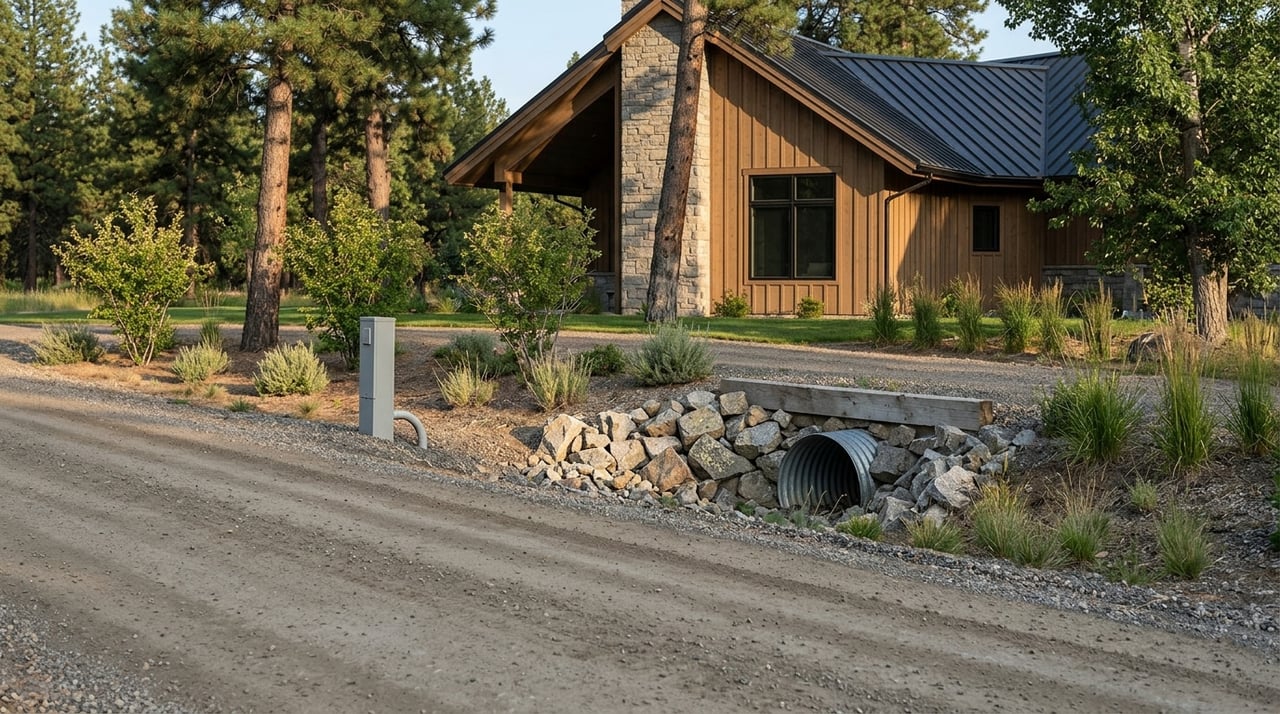
One of the biggest things to understand about Amsterdam is that its rural identity is not accidental. Gallatin County planning documents explicitly prioritize preserving the area’s rural and agricultural landscape. In practical terms, that means you should expect more open land, fewer dense residential pockets, and a day-to-day setting shaped by working agricultural uses.
The community plan is also very direct about what rural living can include. Ordinary farm activity may involve equipment use, dust, odors, and noise during early or late hours. For many buyers, that is part of the appeal, but it is important to know that this is an active agricultural area, not a suburban neighborhood with suburban expectations.
Housing Pattern and Development Style
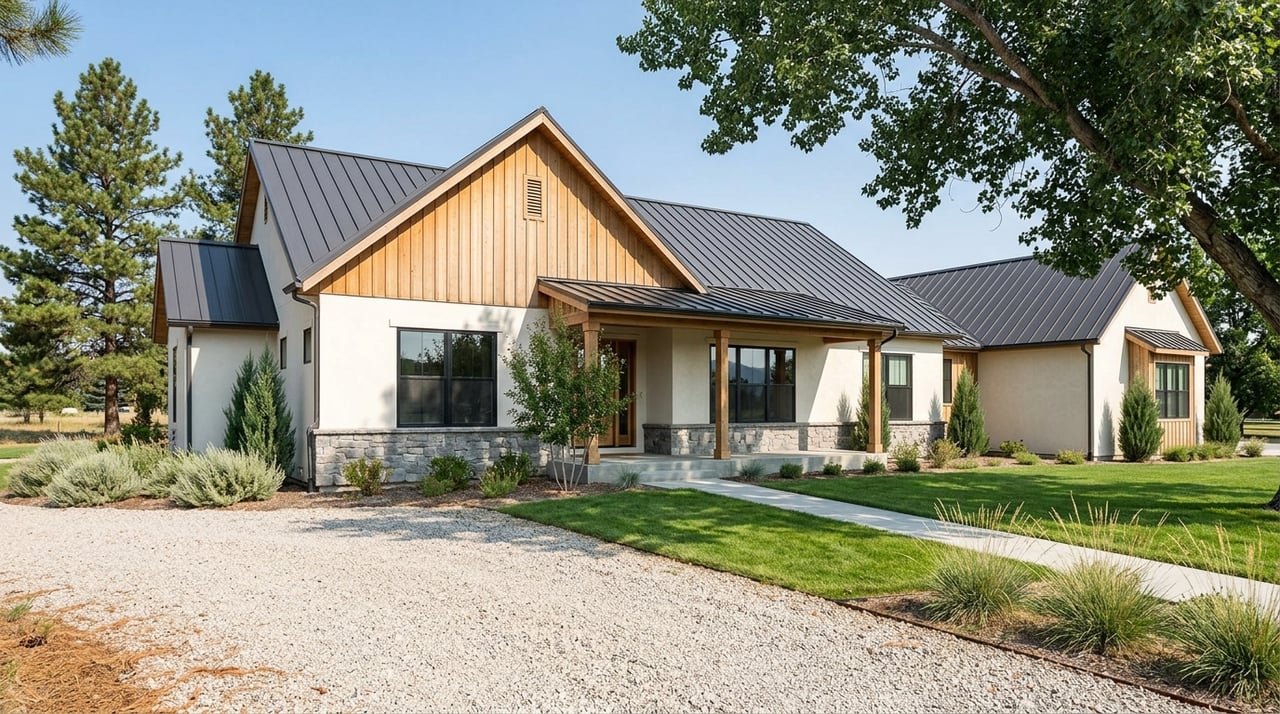
Amsterdam is better suited to buyers who want space and a lower-density setting than a typical subdivision layout. The local plan sets a rural base density of one lot per 160 acres, with one lot per 80 acres possible in clustered development patterns. That framework supports a landscape made up of acreage properties, farm-adjacent homesites, and small residential clusters rather than large-scale suburban growth.
Gallatin County’s 2024 Growth Policy reinforces that point. It describes Amsterdam/Churchill as a neighborhood-plan community with a small town core, surrounded by a low-density mix of residential and agricultural parcels plus some light industrial and commercial uses. The policy also states that the area does not have the infrastructure and community services needed for high-density development outside the core.
Daily Life in Amsterdam
Daily life here tends to center on a few local anchors, with many larger errands handled elsewhere in the Gallatin Valley. The Amsterdam-Churchill Town Core Area map identifies a school, grocery store, bank, church, retirement home, equipment business, and Gallatin Valley Land Trust presence within the core area. That mix gives the community a few practical touchpoints close to home while still maintaining a very rural overall feel.
For many residents, this balance is part of Amsterdam’s appeal. You are not choosing a place packed with retail and entertainment options on every corner. You are choosing a quieter base with a few local conveniences and easy connections to larger nearby communities when you need more services.
The School as a Community Anchor
In a small community, a school often becomes more than a place for classes, and Amsterdam is no exception. According to the Amsterdam School strategic plan, Amsterdam School serves K-6 students and prepares them to transition to Manhattan Public Schools. The school also emphasizes rural education and community engagement through events and PAC involvement.
That does not mean every buyer will choose Amsterdam for the same reason, but it does help explain the area’s local identity. Community gathering points matter more in very small places, and the school plays a clear role in the rhythm of local life.
Roads, Commute Routes, and Valley Access
If you are considering Amsterdam, it helps to think about your regular drive patterns. The community plan identifies Churchill Road as the main arterial route through the area, starting near I-90 in Manhattan and running southeast through Churchill. It also notes that Amsterdam Road and Cameron Bridge Road provide east-west connections toward Jackrabbit Lane and the broader Gallatin Valley.
The same plan notes that traffic on Amsterdam Road increases as it approaches Belgrade. That is useful context if you expect to commute regularly or make frequent trips for shopping, services, or airport access. Amsterdam offers rural living, but it still functions as part of the broader valley transportation network.
Access to Regional Services
Living in Amsterdam usually means relying on the larger Gallatin Valley for many day-to-day and travel needs. For example, the airport serving the valley is in Belgrade. According to the Bozeman Yellowstone International Airport authority, BZN serves the Gallatin Valley with year-round facilities and amenities.
That regional connection matters for both full-time residents and buyers relocating from out of the area. Amsterdam can offer a quieter home base while still keeping you connected to the wider Bozeman, Belgrade, and Manhattan corridor. In many ways, that combination is what makes the area appealing to buyers who want room to breathe without feeling completely isolated.
Infrastructure Expectations Matter
One of the most important mindset shifts for rural buyers is understanding that infrastructure may vary from one property area to another. County materials show that there is an Amsterdam/Churchill Sewer district, and the county growth policy says the Rural Growth Area approach relies on sewer service in the most suitable areas. That suggests a mixed picture, with more organized service in core or clustered areas and a more rural setup beyond them.
This is one reason property-by-property guidance matters so much in Amsterdam. Two homes in the same broader area may offer very different experiences in access, services, lot size, or surrounding land use. If you are comparing options, it helps to evaluate not just the house, but also the practical realities of the site and its setting.
Who Amsterdam May Suit Best
Amsterdam can be a strong fit if you are looking for:
- A small rural community rather than a suburban environment
- More open space and lower-density surroundings
- A setting shaped by agriculture and long-standing local history
- Reasonable road access to the broader Gallatin Valley
- A home base that feels quieter and more removed from heavier growth areas
It may require more careful consideration if you want:
- Dense retail and service options nearby
- Urban-style infrastructure across the area
- A conventional subdivision layout
- Separation from normal farm-related activity such as dust, equipment, or seasonal noise
What to Think About Before Buying
Before you buy in Amsterdam, it is smart to look beyond the listing photos and ask practical questions about how the area fits your lifestyle. Rural properties can be incredibly rewarding, but they also work best when your expectations match the setting.
A few useful things to consider include:
- How often you will commute toward Belgrade, Manhattan, or Bozeman
- Whether you want to be closer to the town core or farther out on acreage
- How comfortable you are with agricultural activity nearby
- What level of services and infrastructure you expect at the property
- How much land, privacy, or flexibility you want in your next home
Why Local Guidance Helps
Amsterdam is one of those places where broad market knowledge is not enough. Because the community is small, rural, and shaped by land-use realities, buyers benefit from working with someone who understands the Gallatin Valley beyond the main population centers. Details like road access, neighboring land uses, density patterns, and the difference between core-area living and outlying parcels can have a big impact on your experience.
If you are considering a move to Amsterdam or comparing it with other Gallatin Valley areas, working with a broker who knows the local landscape can help you make a more confident decision. When you are ready to talk through your options, connect with DeeAnn Bos for trusted, local guidance tailored to your goals.
FAQs
What is Amsterdam, Montana like for daily living?
- Amsterdam offers a quiet rural setting with a very small population, a few local core-area conveniences, and many larger errands handled in the broader Gallatin Valley.
How big is Amsterdam, MT?
- The 2020 Census recorded 206 residents and 72 housing units in Amsterdam, which reflects its small-scale, low-density character.
Is Amsterdam, Montana more rural or suburban?
- Amsterdam is distinctly rural, with county planning documents emphasizing agricultural land, low-density development, and preservation of the area’s rural character.
What kind of housing pattern should buyers expect in Amsterdam?
- Buyers should generally expect acreage properties, farm-adjacent homesites, and small residential clusters rather than conventional suburban subdivision density.
Does Amsterdam, MT have local conveniences?
- Yes, the town core area includes community anchors such as a school, grocery store, bank, church, retirement home, and equipment business, though many larger services are found elsewhere in the valley.
What school serves families in Amsterdam, Montana?
- Amsterdam School serves K-6 students, and students then transition to Manhattan Public Schools according to the district’s strategic plan.
How do residents travel from Amsterdam to the rest of Gallatin Valley?
- Key routes include Churchill Road, Amsterdam Road, and Cameron Bridge Road, which connect the area with Manhattan, Belgrade, Jackrabbit Lane, and the broader valley.
Is Amsterdam close to the Gallatin Valley airport?
- Residents typically access Bozeman Yellowstone International Airport in Belgrade for regional and air travel needs.