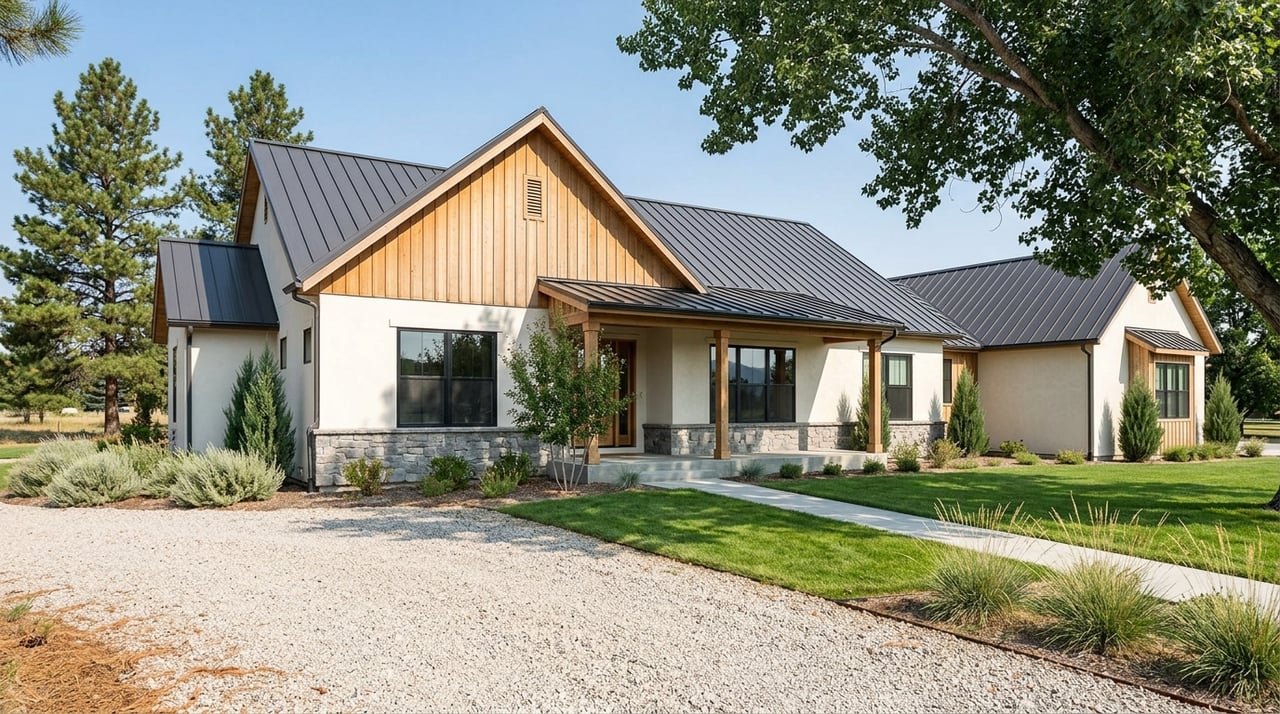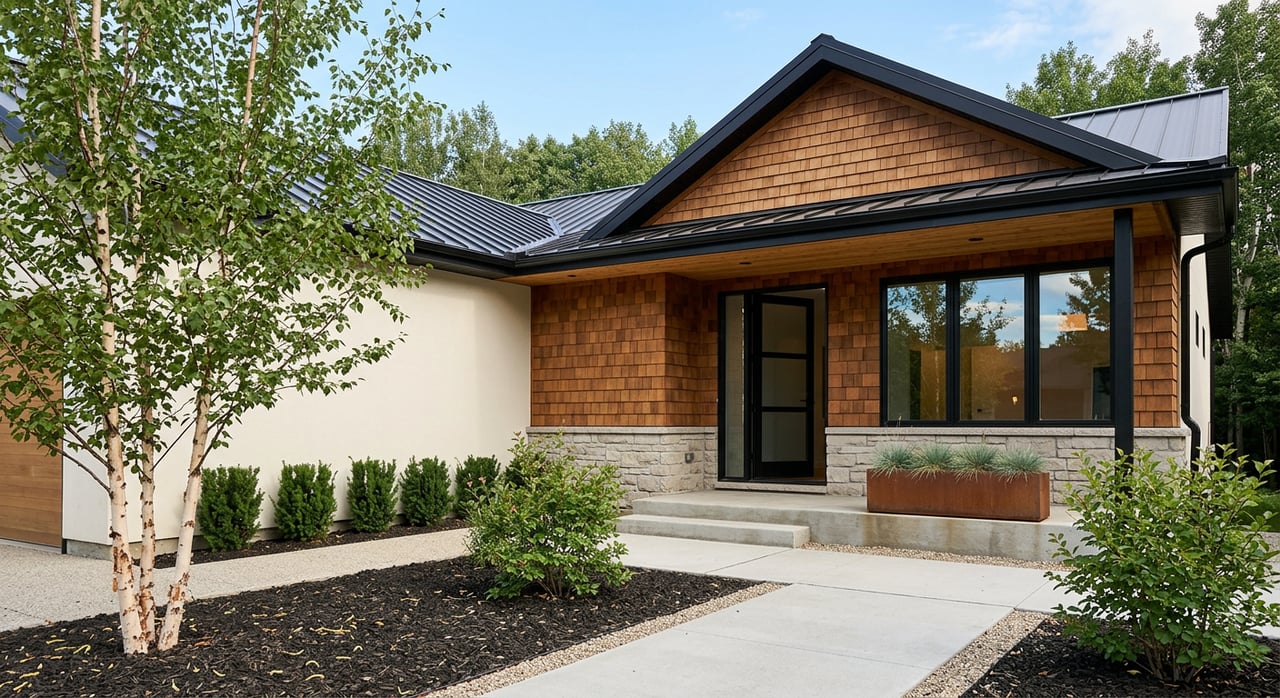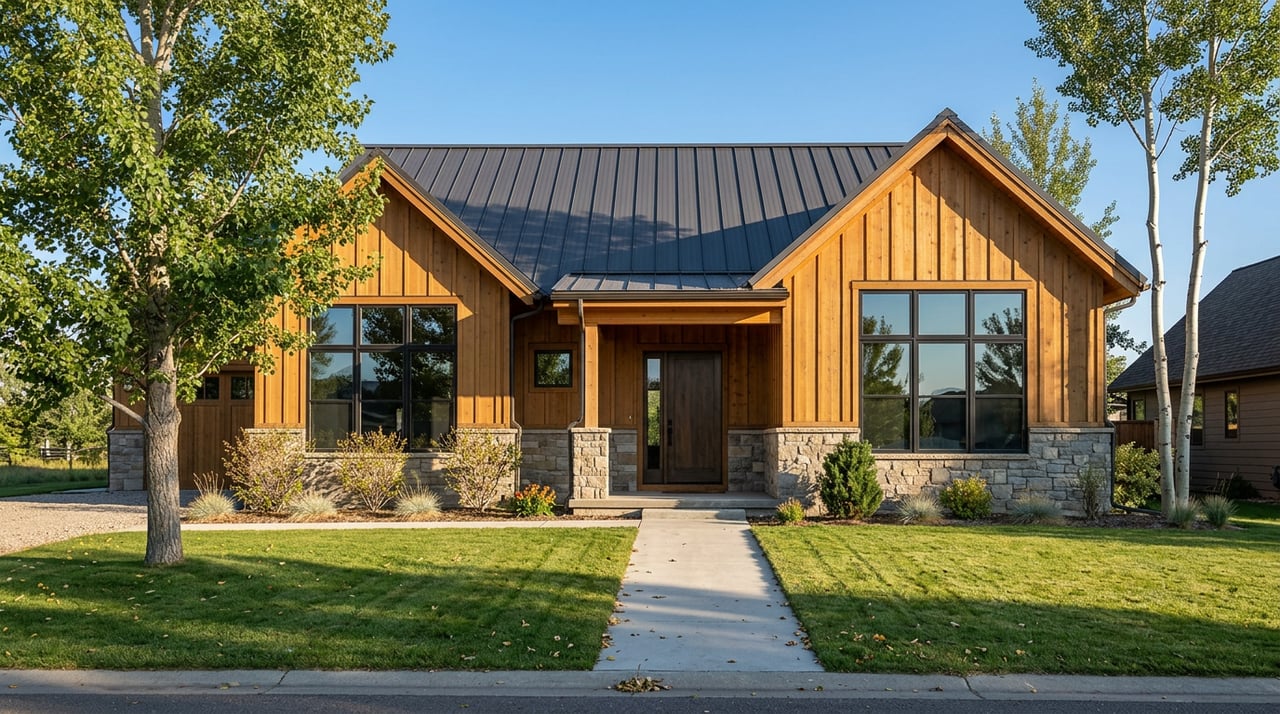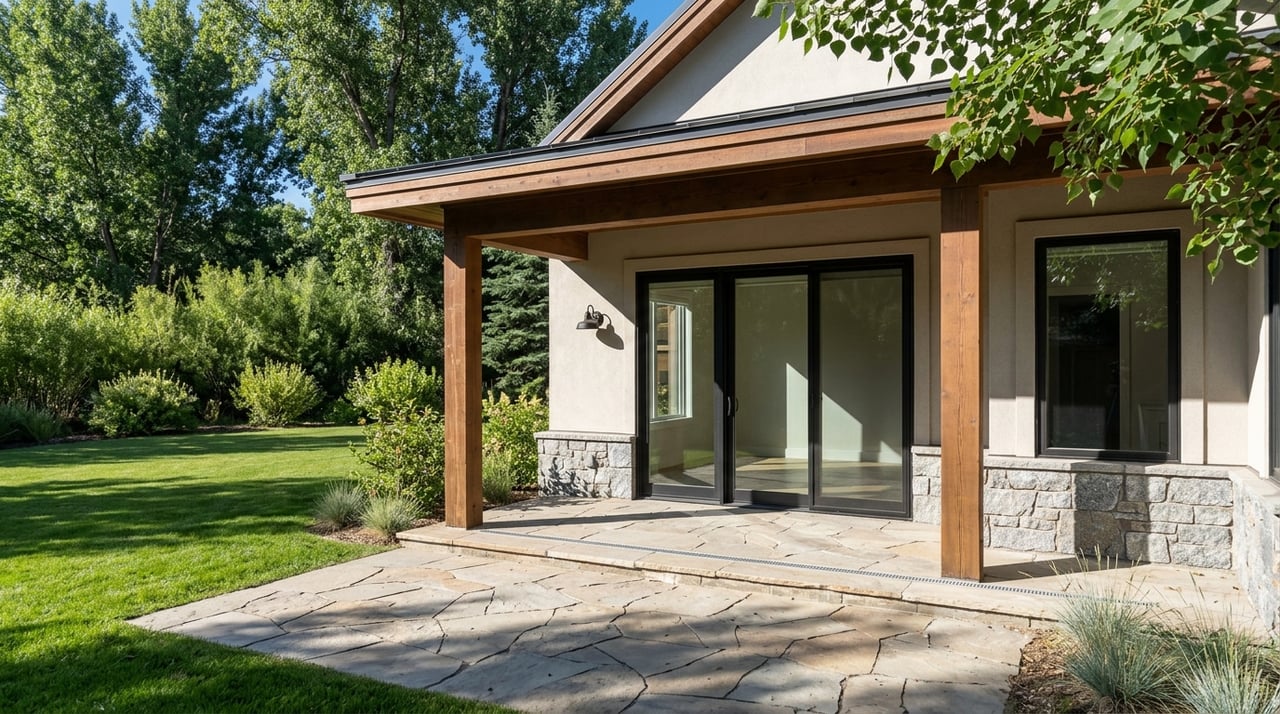
If you picture a Madison River retreat as a simple weekend cabin, Ennis may surprise you. This part of southwest Montana offers the scenery and recreation many buyers want, but it also calls for smart planning around access, utilities, financing, and year-round upkeep. If you are thinking about buying near Ennis, this guide will help you look past the view and focus on what really matters before you make an offer. Let’s dive in.
Why Ennis Appeals to Retreat Buyers
Ennis sits in a striking four-season setting framed by the Madison, Gravelly, and Tobacco Root ranges. According to Visit Montana’s Ennis overview, the town is centered on Madison River recreation and sits at 4,964 feet in elevation, which gives you a useful clue about what ownership feels like here in winter as well as summer.
For many buyers, the draw starts with the river. Montana Fish, Wildlife & Parks describes the Madison River as one of the state’s signature rivers, with the upper stretch above Ennis Lake known for long riffles and the lower river continuing through Beartrap Canyon. That means your retreat can be more than a seasonal escape. It can be a true base for fishing, boating, rafting, and wildlife viewing throughout the year.
Ennis also offers practical support for that lifestyle. The state’s license provider list includes several Ennis businesses tied to angling and sporting goods, which is helpful if you want convenient access to local services instead of a property that feels too isolated.
What “River Retreat” Really Means
A Madison River retreat is often best viewed as a year-round home that you happen to use part-time. That distinction matters because lenders, insurers, and local conditions all treat the property as a real residence with ongoing responsibilities, not just a vacation spot.
Fannie Mae notes that a second home must be suitable for year-round occupancy, occupied by the borrower for part of the year, and remain under the borrower’s exclusive control. It also cannot be structured as a timeshare or rental property. In a place like Ennis, that standard lines up with common-sense ownership. You want a home that can handle winter weather, utility needs, and reliable access in every season.
Check Public Access and River Expectations
Many buyers assume riverfront ownership means private control of the water experience. In Montana, that is not always the case.
The Montana DNRC explains in its stream access pamphlet that the public may generally use rivers and streams up to the ordinary high-water mark, regardless of who owns the streambed. For you, that means owning land along the Madison River does not automatically create exclusive private fishing frontage. If you are looking at lakefront property around Ennis Lake, you should review access rights separately because lakes are treated differently.
Public access nearby is another reason the area stays popular. Fish, Wildlife & Parks says the Ennis Fishing Access Site is about half a mile south of town and includes a boat ramp, campsites, and walking trails, while Meadow Lake Fishing Access Site north of town offers walk-in boat access on Ennis Lake.
Understand Utilities Before You Buy
One of the biggest differences between properties near Ennis is whether the home sits inside town limits or outside them.
If the property is in town, the Town of Ennis utilities department provides water and sewer service. The town notes that new owners or tenants must complete a utility account form, and it also posts water-conservation restrictions that may be activated during hot, dry periods. Under Stage III restrictions, outdoor watering is limited and some exterior water uses are restricted, which can affect landscaping decisions and seasonal maintenance.
If the property is outside town, the due diligence becomes more involved. The draft Envision Ennis master plan says development in those areas often relies on individual wells and septic systems. It also flags groundwater concerns that can include elevated temperatures and naturally occurring arsenic.
That means a rural retreat purchase should include more than a standard home inspection. You may also want to evaluate:
- Well condition and production
- Septic system function
- Water quality
- Recorded water rights where applicable
The same planning document notes that a well log alone does not automatically create a water right, and Montana DNRC says most water uses require a recorded right. For land, ranch-adjacent, or more remote properties, that point deserves careful review early in the process.
Look Closely at Flood and Wildfire Risk
A beautiful river setting can also bring natural-hazard questions. In the Ennis area, flood exposure is not a minor detail.
The Envision Ennis master plan identifies flood as a real local hazard, including ice gorging on the Madison River that can affect low-lying areas. It also notes poorly drained soils in parts of the planning area. Before you get attached to a parcel, it is wise to review floodplain status and understand how drainage and site elevation may affect use and insurance.
Madison County maintains a floodplains resource page, and FloodSmart reminds homeowners that standard homeowners insurance usually does not cover flood damage. In a river-focused market, flood insurance should be part of your early budgeting conversation, not a last-minute surprise.
Wildfire belongs on that checklist too. The same Ennis planning document classifies the area as a low-to-moderate wildfire priority, but even a lower-priority area still requires preparation. Ready.gov’s wildfire guidance recommends knowing evacuation routes, maintaining emergency supplies, creating a communications plan, and reviewing insurance coverage. For a part-time owner, defensible space and local property oversight matter because small issues can grow quickly when no one is on site.
Plan for Winter Use and Seasonal Maintenance
Second-home ownership works best when you treat the property like a year-round system. In Ennis, winter planning is part of that system.
Ready.gov’s winter weather guidance recommends insulating and weather-stripping the home, protecting pipes from freezing, and keeping enough supplies to stay in place for several days if power is interrupted. If you will only use the home part-time, that guidance translates into a practical ownership plan.
Your checklist may include:
- Reliable snow access to the property
- Winterization procedures when the home is vacant
- Backup heat planning
- Pipe-freeze prevention
- A trusted local contact to check the home after storms
These details may not be as exciting as the river view, but they often shape whether ownership feels easy or stressful.
Know the Financing Rules for Second Homes
If you are financing the purchase, second-home rules can be stricter than primary-residence rules. That is especially important if you already own another financed property.
Fannie Mae states that additional reserve requirements may apply when borrowers have multiple financed properties, and borrowers must still have enough assets to close after meeting minimum reserve requirements. In simple terms, you may need a larger cash cushion than you expect.
Some buyers also assume projected short-term rental income will help them qualify. Fannie Mae says rental income from a second home generally cannot be used to qualify. If you are considering a piggyback loan or HELOC to preserve cash, the CFPB notes that a second mortgage is junior to the first lien and can make refinancing more complicated.
The big takeaway is simple: buy based on the home’s true carrying cost, not on income you hope it may produce later.
Budget for Taxes and Ongoing Carrying Costs
A retreat home has recurring costs that deserve the same attention as the purchase price. Property taxes are one of the most basic examples.
Madison County says real estate tax payments are due in two installments each year, on November 30 and May 31. If you are used to thinking about taxes through an escrowed primary residence, that schedule is worth noting as part of your annual ownership budget.
You will also want to account for insurance, utility costs, winter upkeep, water-system or septic maintenance if applicable, and any property monitoring help you may need while the home is vacant.
Think Carefully About Short-Term Rentals
Some buyers want personal use now and rental flexibility later. That can be possible, but it comes with a separate layer of compliance.
Within town limits, the Town of Ennis forms and information page says short-term rentals require a business license and a short-term-rental checklist. Madison County also notes that Montana law requires short-term rentals to be licensed through the state’s public accommodation process.
The Ennis checklist asks for a local emergency contact, which is a smart standard even if you mostly plan to use the home yourself. If rental income is part of your long-term plan, review those requirements before you buy so you know whether the property fits your goals.
A Smart Buying Approach Near Ennis
The best retreat purchases usually come from staying grounded in the basics. In Ennis, that means evaluating the home as a year-round property first and a lifestyle purchase second.
Before moving forward, focus on the questions that most affect long-term ownership:
- Is the property accessible in every season?
- Are utilities public or private?
- If rural, have the well, septic, and water quality been reviewed?
- Are floodplain and wildfire risks understood?
- Does the property fit second-home financing rules?
- Are taxes, insurance, and maintenance realistic for your budget?
- If rentals matter, what local licensing applies?
When you answer those questions early, you can shop with more confidence and avoid expensive surprises after closing.
If you are exploring a river retreat near Ennis and want a thoughtful, process-driven perspective on Montana lifestyle property, DeeAnn Bos can help you evaluate the details that matter just as much as the view.
FAQs
What makes Ennis MT appealing for a Madison River retreat?
- Ennis offers a four-season setting, close access to the Madison River, nearby fishing access sites, and practical local services that support part-time or year-round use.
What should buyers check on rural property near Ennis MT?
- If the property is outside town limits, you should look closely at the well, septic system, water quality, and any applicable water rights in addition to the home itself.
Do riverfront homes near Ennis MT include private river access?
- Not necessarily. Montana stream-access rules generally allow public use of rivers and streams up to the ordinary high-water mark, so ownership along the Madison River does not automatically mean exclusive private fishing frontage.
Is flood insurance important for homes near the Madison River in Ennis MT?
- Yes. Flood exposure is a real due-diligence issue in the area, and standard homeowners insurance usually does not cover flood damage.
Can short-term rental income help qualify for a second-home loan in Ennis MT?
- Generally no. Fannie Mae says rental income from a second home typically cannot be used to qualify the borrower.
What utilities should buyers expect in and around Ennis MT?
- In-town properties may have town water and sewer, while many properties outside town rely on private wells and septic systems, which require added due diligence and maintenance planning.