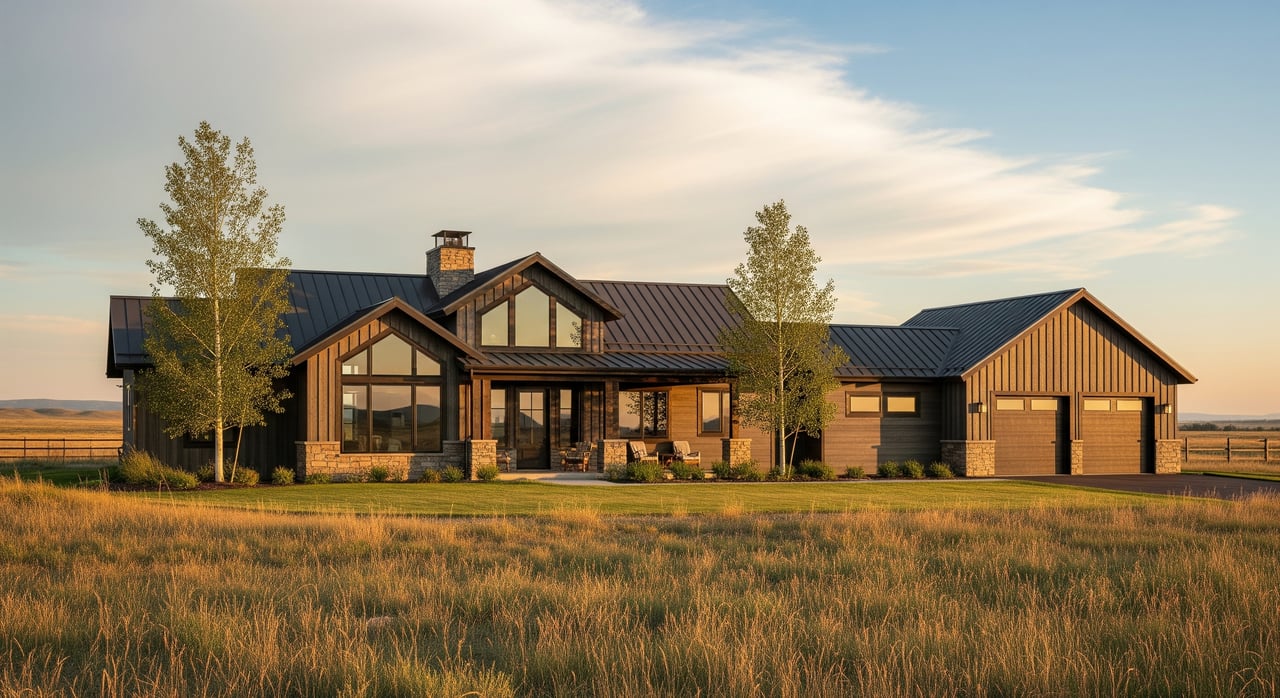
Buying in Belgrade but worried about the down payment? You might not need one. If you qualify, a USDA loan can offer 0% down financing on eligible homes and help you get into the Gallatin Valley market sooner. In this guide, you’ll learn how USDA loans work, how to check if a Belgrade property qualifies, and the pros and cons versus FHA and conventional loans. Let’s dive in.
What a USDA loan is
USDA Single-Family Housing loans are designed to support homeownership in eligible rural areas. For most buyers, the common option is the Guaranteed Loan Program through approved lenders, which can allow 100% financing for qualified applicants. There is also a Direct Loan Program from USDA for very low- and low-income borrowers, but it is less common in competitive areas and has stricter income limits.
USDA loans are for primary residences only. Eligible properties can include site-built homes, certain condos that meet program requirements, and select manufactured homes that satisfy program standards.
Who qualifies in Belgrade
To use a USDA loan, you must plan to live in the home as your primary residence. Your household income also needs to fall within USDA limits for Gallatin County, which vary by household size and change periodically. Lenders will review your credit, income, and debts against program guidelines.
Property location matters. USDA designates specific areas as eligible. In and around Belgrade, some neighborhoods may qualify while others do not, depending on density, annexations, and development patterns.
How to check a Belgrade address
- Look up the exact address using the official USDA property eligibility tool. This is the most reliable way to confirm if a parcel qualifies.
- If the map looks borderline or unclear, ask a Montana USDA Rural Development office or an approved USDA lender to review the address.
- If a target home is ineligible, check nearby tracts. Eligibility can change block by block as Belgrade grows and areas are annexed.
Income limits and credit basics
USDA Guaranteed loans generally use income limits tied to about 115% of the area median income, adjusted by household size. Because limits change, your best step is to get the current Gallatin County table and have a lender confirm how USDA counts household income and allowable deductions.
Many lenders prefer a credit score around 640 or higher for automated underwriting, though manual options exist with compensating strengths. Debt-to-income ratios often fall in the low-to-mid 40 percent range, depending on the lender and your profile. Plan to provide pay stubs, W-2s, tax returns if self-employed, and standard verifications.
USDA fees and monthly cost
USDA loans do not have monthly private mortgage insurance. Instead, they include:
- An upfront guarantee fee that is typically financed into the loan.
- An annual fee calculated on the outstanding principal and collected monthly.
These fees function like mortgage insurance and influence your payment and total cost over time. They are often lower than FHA’s upfront and annual mortgage insurance in many scenarios, but the exact comparison depends on the loan amount, term, and rate.
USDA vs FHA vs conventional
Choosing the right loan is about trade-offs. Here is how USDA commonly compares to FHA and conventional loans.
Down payment and cash to close
- USDA Guaranteed: 0% down for eligible buyers; the upfront guarantee fee is often financed.
- FHA: 3.5% down minimum for many borrowers; includes an upfront mortgage insurance premium and annual MIP.
- Conventional: As low as 3% to 5% down for eligible programs; requires PMI when under 20% down, which can be cancelled when you reach enough equity.
If you are light on cash, USDA can be attractive. If you have some savings and strong credit, conventional may offer a lower long-term cost because PMI can drop off.
Ongoing fees and long-term cost
- USDA: Annual fee applies for the life of the loan unless you refinance.
- FHA: Annual MIP often lasts the life of the loan unless you refinance.
- Conventional: PMI can be cancelled as you build equity or removed by refinancing.
Your best choice depends on your budget, credit, and how long you plan to keep the loan.
Credit flexibility
- USDA: Lenders often prefer scores near 640 for streamlined approval; manual underwriting is possible.
- FHA: Generally more flexible with lower scores; down payment requirements adjust by score.
- Conventional: Typically needs higher scores, though specifics vary by program.
Property requirements
- USDA: Homes must meet minimum property standards. Significant issues could require repairs before closing or an escrow plan.
- FHA: Similar property standards that can trigger required repairs.
- Conventional: Often more flexible on condition; repairs may be handled with escrows in some cases.
For older homes or those needing work, USDA and FHA can add steps and time compared with some conventional loans.
Timelines and seller perception
USDA loans can close in a similar window to FHA and conventional when everyone is coordinated, but allow room for extra steps such as property eligibility confirmation or USDA guarantee processing. Some sellers perceive conventional as simpler. A strong pre-approval from an experienced USDA lender and clear communication can reduce concerns and keep your offer competitive.
Assumability and refinancing
USDA loans can be assumable with USDA approval, which may be attractive if rates rise. You can also explore refinancing options later if it improves your payment.
Property standards to expect
USDA requires that the property is safe, sound, and sanitary. Major deficiencies may need to be repaired before closing or handled through a repair escrow when allowed. If you are considering a condo, confirm project approval early. For manufactured homes, ensure they are permanently sited and meet all program criteria.
Belgrade buyers often consider larger lots or homes with outbuildings. USDA expects a primarily residential use. Acreage and accessory structures are not automatically excluded, but income-producing agricultural setups can be problematic. Review the specifics with your lender before making an offer.
Make your USDA offer competitive
You can win with a USDA loan in the Belgrade market when you plan ahead. Use these steps to strengthen your position.
Before you write the offer
- Confirm the property’s USDA eligibility up front and keep proof ready.
- Get a full pre-approval from a lender experienced with USDA. Ask them to reference USDA review in the letter.
- Verify your household income against current Gallatin County limits with the lender.
- If the home looks like it may need repairs, have your agent and lender coordinate with the inspector on likely items.
Offer terms that reduce seller friction
- Include a clear pre-approval letter with a direct lender contact.
- Choose a realistic closing date that accounts for potential USDA steps; adding one to two weeks can be wise if the home needs extra review.
- Consider reasonable earnest money and flexible closing or possession dates.
- Keep contingencies appropriate but efficient; work with your agent on any appraisal or financing contingency timelines.
During underwriting and closing
- Respond quickly to lender document requests and keep communication tight among all parties.
- If appraisal-required repairs pop up, line up contractors fast and set clear timelines.
- Ask your lender for a short cover note explaining their USDA timeline and process to help the seller feel confident in your offer.
Timeline expectations
Timelines vary by lender and property. Conventional purchases often target 30 to 45 days. FHA is commonly 30 to 45 days as well. USDA Guaranteed purchases in Belgrade can range from 30 to 60 days depending on property eligibility confirmation, repairs, and USDA processing. Plan conservatively and align your offer with what your lender can deliver.
Is a USDA loan right for you?
If you want to buy in Belgrade with little or no down payment, a USDA loan can be a powerful tool when the property and your income qualify. It may offer a lower upfront cost than FHA and competitive payments versus conventional in many cases. The key is early verification of address eligibility, income limits, and property condition so you can write a confident offer and close on time.
If you want a local guide who knows how to position USDA buyers successfully in the Gallatin Valley, reach out to DeeAnn Bos. You will get calm, clear guidance on neighborhoods, property fit, and offer strategy tailored to your goals.
FAQs
How do I check if a Belgrade address qualifies for USDA?
- Use the official USDA property eligibility tool and, if the result is unclear, ask a local USDA Rural Development office or an approved USDA lender to confirm.
What income limits apply for Gallatin County USDA loans?
- USDA sets county-specific limits that adjust by household size and can change annually; get the current Gallatin County table from the USDA income limits tool or your lender.
Can I use USDA to buy a condo or manufactured home in Belgrade?
- Yes, in some cases; condos must meet USDA project requirements and manufactured homes must be permanently sited and meet program standards, so confirm eligibility early.
Will a USDA loan cost more per month than FHA or conventional?
- It depends on your loan amount, rate, and term; compare USDA guarantee fees with FHA’s MIP and conventional PMI using sample payments and APRs from your lender.
Can a USDA loan offer compete in the Belgrade market?
- Yes; strong pre-approval, proof of property eligibility, realistic timelines, and clear communication from an experienced lender and agent help your offer stand out.
Are USDA loans assumable if I sell later?
- Yes, USDA loans can be assumable with USDA approval of the new borrower, which can be a selling point if interest rates are higher in the future.