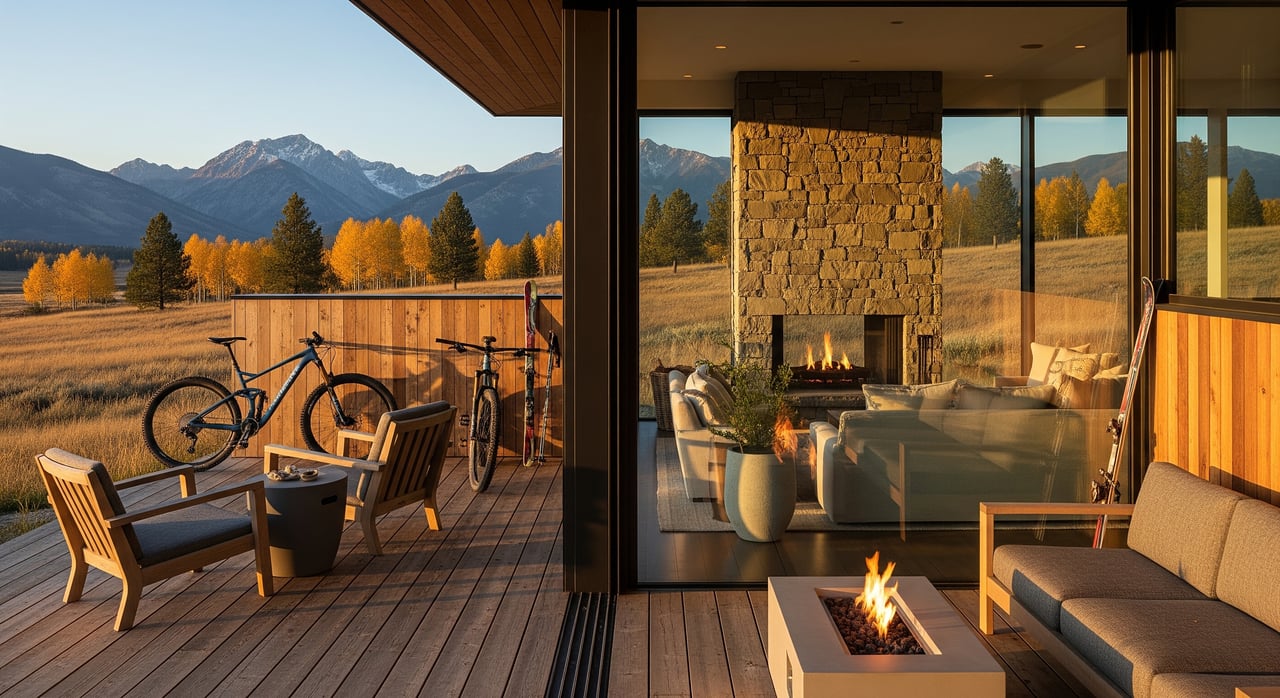
If you moved to Bozeman for the trails, rivers, and ski days, you’re not alone. The hardest part is choosing a neighborhood that matches your outdoor routine as well as your day-to-day life. You want quick access to the Bridgers or Hyalite, enough room for your gear, and a commute that doesn’t eat your mornings.
In this guide, you’ll compare Bozeman’s key areas through an outdoor lens. You’ll see how trail and ski access, lot size, transportation, and amenities stack up so you can choose with confidence. Let’s dive in.
How the outdoors shapes neighborhood choice
Bozeman sits between the Bridger Range to the north and Hyalite Canyon to the south, with the Gallatin River running through the valley. That geography shapes your options:
- Bridger Range and Bridger Bowl to the north are magnets for alpine skiing, hiking, and biking.
- Hyalite Canyon to the south offers a deep trail network, a reservoir, and notable winter recreation.
- Valley rivers and creeks add fishing and floating.
- City trails and greenways connect many central neighborhoods to parks and path systems.
Most residents rely on a car to reach mountain trailheads. If you plan to walk or bike to daily services, focus on central neighborhoods. If you want to step onto a trail from your door, you’ll trade shorter commutes for seclusion and seasonal driving.
Downtown Bozeman: walkability first
Downtown/Main Street (Bozeman Core) gives you the quickest access to restaurants, shops, and services. You can bike to lower foothill trailheads or make short drives to the Bridgers.
- Outdoor access: Urban trails and quick hops to local trailheads. Mountain access by short drive.
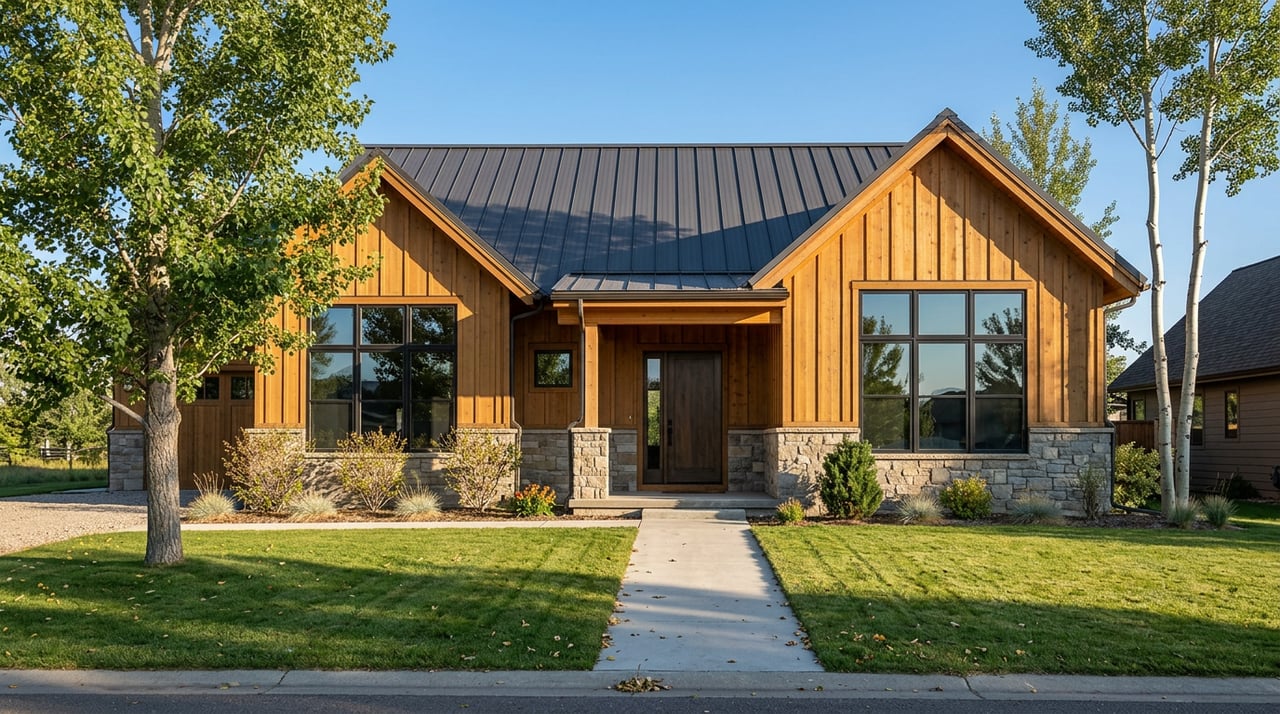
- Housing and lots: Historic bungalows, infill condos and townhomes, and some newer multi-unit projects. Smaller yards are common.
- Transportation: Short, simple commutes to most employers. Parking can be tight at peak times.
- Everyday amenities: Grocery, medical clinics, breweries, cultural venues, and gear shops within walking distance.
- Trade-off: You gain walkability and convenience, but lots are smaller and private outdoor space is limited.
North/MSU area: fast foothill access
North Bozeman and the MSU/College area sit near the foothill trail network and are bicycle friendly for getting to campus and downtown.
- Outdoor access: Quick access to popular foothill trailheads and greenways, with staging areas toward the north.
- Housing and lots: A mix of single-family homes, duplexes, student-oriented rentals, and newer subdivisions toward the edges.
- Transportation: Short commutes to campus and downtown. Expect heavier traffic and parking pressure during the school year and events.
- Everyday amenities: Cafes, coffee shops, small grocers, bike shops, and university services.
- Trade-offs: You get speed to trails and central services, but rental density can bring seasonal noise and parking challenges.
Bridger Canyon foothills: doorstep mountain access
East of town and along Bridger Canyon Road you find larger-lot, semi-rural properties with immediate mountain access. If Bridger Bowl is your winter home base, this location minimizes drive time.
- Outdoor access: Excellent access to alpine skiing, backcountry routes, hiking, and mountain biking.
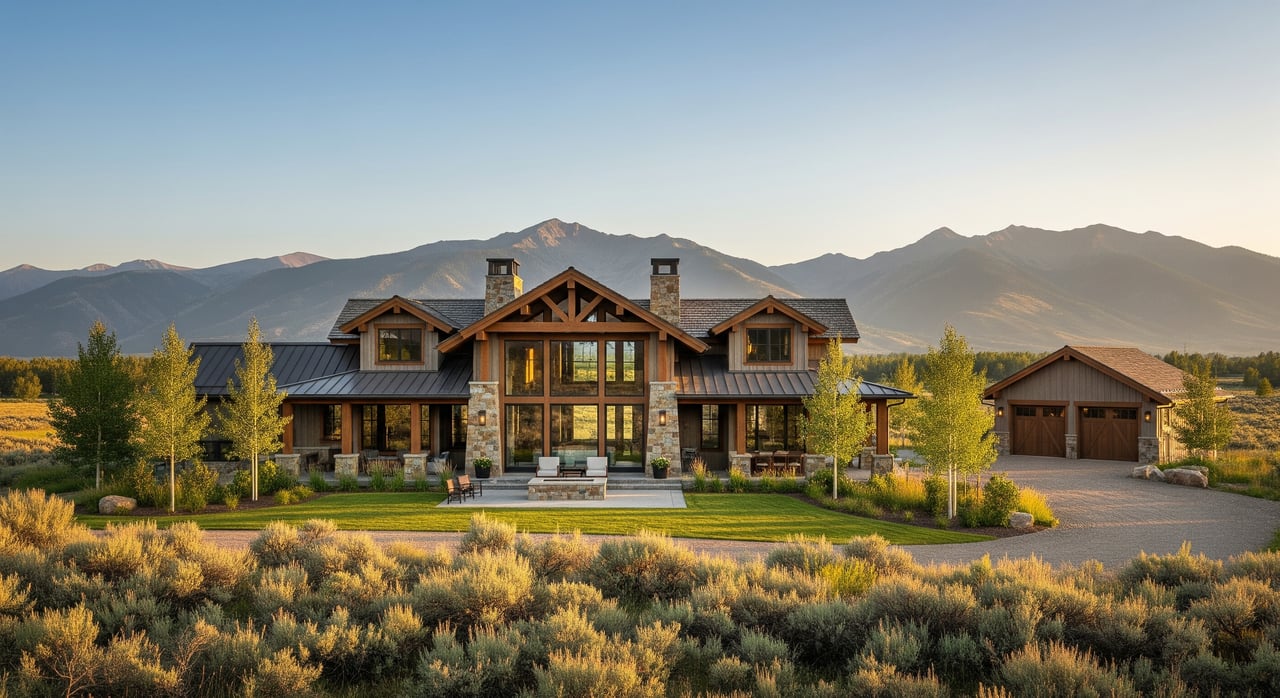
- Housing and lots: Mountain-style homes and cabins on larger lots or acreage. County zoning, septic, and well rules often apply.
- Transportation: Expect longer drives into town. The canyon road is a key route that can slow during winter or peak recreation times.
- Everyday amenities: Limited nearby services. Plan on driving to town for groceries and medical care.
- Trade-offs: You get privacy and trail proximity, but with fewer urban conveniences and more seasonal driving considerations.
South Bozeman/Hyalite: canyon-driven living
Southern neighborhoods near the Hyalite corridor appeal to anyone who wants direct access to the canyon’s trailheads, reservoir, and winter recreation.
- Outdoor access: Direct routes to Hyalite Canyon. Strong for hikers, bikers, anglers, and winter climbers.
- Housing and lots: Mix of in-town neighborhoods with modest lots and rural parcels closer to the canyon. Some newer subdivisions on the south edge.
- Transportation: Short to moderate drives to downtown depending on location. Winter maintenance can matter on canyon-adjacent roads.
- Everyday amenities: Services vary by neighborhood. Most major shopping is in town.
- Trade-offs: You gain quick canyon access and quieter settings, balanced against more driving for daily errands.
West-side suburbs: space and parks
Valley West, Baxter Meadows, and other planned subdivisions offer newer construction, more square footage, and community green spaces.
- Outdoor access: Neighborhood trails and regional bike routes are common, but you’ll drive farther to the Bridgers and Hyalite.
- Housing and lots: Newer single-family homes with garages and storage, often in HOA-governed communities.
- Transportation: Designed for car use. Commutes are typically moderate and predictable.
- Everyday amenities: Proximity to schools, shopping centers, and planned parks.
- Trade-off: You get more indoor and outdoor space for the price, with less immediate backcountry access.
Belgrade and nearby towns: value and airport access
Belgrade and other satellite communities can offer more home for the money and larger lots, with a straightforward drive into Bozeman.
- Outdoor access: Valley trails are accessible, but mountain trailheads are farther. Many residents commute for outdoor days.
- Housing and lots: Newer subdivisions and single-family homes are common, often at a lower cost per square foot than central Bozeman.
- Transportation: Expect about 15 to 30 minutes to Bozeman depending on traffic. Proximity to Bozeman Yellowstone International Airport is a plus.
- Everyday amenities: Full-service retail and a growing commercial base.
- Trade-off: You benefit from affordability and space, with longer drives to downtown and major trailheads.
Commutes, seasons, and access
Commute patterns shift by neighborhood. Downtown and north/MSU areas keep work and errands close. Bridger Canyon, Hyalite-adjacent properties, and outlying suburbs often mean longer drives, but they bring bigger lots or mountain proximity.
Seasonal travel matters. Winter can slow canyon and mountain roads. Summer weekends bring more traffic to popular trailheads. If you rely on a specific route, sample those drive times in real conditions before you decide.
Public transit is limited. Central neighborhoods support walking and biking for daily needs. For most trailheads and ski access, driving is the practical choice.
How to choose your fit
Use your weekend priorities to guide where you live.
- If you want doorstep mountain access: Focus on Bridger Canyon foothills or southern neighborhoods near Hyalite.
- If you value walkability and social life: Consider downtown and near-downtown areas, and plan for short drives to trailheads.
- If you want space and storage for gear: Look at west-side subdivisions or Belgrade for more home and garage square footage.
- If you want a balanced compromise: Target north-side neighborhoods with quick foothill access and manageable commutes.
On-the-ground checks before you decide
Before you make an offer, test your daily routine from a few candidate homes.
- Drive to your top trailheads at different times, including a winter morning and a summer weekend.
- Confirm if nearby trails are public and which agency manages them. Ask about parking rules and any fees.
- Ask who clears snow on your street and driveway. In rural areas, confirm HOA or private maintenance duties.
- Review wildfire risk, local recommendations for defensible space, and insurance implications.
- Verify school boundary maps, childcare availability, and proximity to medical services.
- For rural properties, verify septic and well details, utilities, and any building or conservation overlays.
Environmental and regulatory basics
Wildfire risk is a real consideration around wildland edges. Create a plan for defensible space and confirm coverage with your insurer. In canyons and near steep terrain, winter road conditions can slow travel, and some areas may be within avalanche influence zones.
City and county zoning rules differ. Rural parcels may have septic and well requirements, and subdivision regulations can limit future building or uses. Trail access varies too. Many connectors cross private land under easement. Always respect posted restrictions and confirm public access claims tied to any property.
Ready to explore options?
If you’re choosing between walkable downtown living, a foothill retreat near Bridger Bowl, or more space in a west-side suburb or Belgrade, a local, data-backed view makes the difference. Let a neighborhood expert help you weigh commute time, trail access, lot size, and everyday convenience so you can land in the right spot.
Reach out to DeeAnn Bos to compare neighborhoods one-on-one and move forward with confidence.
FAQs
Which Bozeman neighborhoods are closest to trailheads?
- Bridger foothill and north/MSU areas are closest to many local trailheads, while southern neighborhoods offer direct access to Hyalite Canyon.
Where should I live to ski Bridger Bowl often?
- Homes along Bridger Canyon Road or in nearby foothill neighborhoods reduce drive time to the ski area, with the trade-off of seasonal road conditions.
Is downtown living practical for outdoor access?
- Yes. You trade yard size for walkability and short commutes, then make quick drives or bike rides to foothill trailheads.
What are the pros of west-side subdivisions like Valley West?
- You typically get newer construction, more interior space, garages for gear, and neighborhood parks, with longer drives to major mountain trailheads.
How does winter affect daily life near the canyons?
- Snow and ice can slow canyon roads, so confirm snow removal practices and test commute times during winter conditions.
What should I verify before buying a rural or foothill property?
- Check public trail access, winter maintenance responsibilities, wildfire risk, and county rules for septic, well, and building limits.